By Frank Knox, COO — AutoAcquire AI
The dealers who thrive in a tight inventory market are not the ones who wait for conditions to improve. They are the ones who built a different kind of acquisition system before everyone else caught on.
Inventory shortages have been a recurring headline in automotive retail for several years now. New vehicle supply remains unpredictable. Auction prices have climbed. The per-unit margins that dealers once took for granted at the block have compressed significantly.
Most dealers have responded to this by doing more of the same — bidding harder at auction, expanding their geographic radius, chasing the same vehicles everyone else is chasing. The result is higher acquisition costs, thinner margins, and an inventory pipeline that feels increasingly out of their control.
But there is another way to read this market. And the dealers who are reading it correctly are building a significant competitive advantage right now.
The Shortage Is Real. The Opportunity Is Also Real.
When new vehicle supply tightens, something predictable happens on the used side of the market. Consumers who cannot find or afford a new vehicle hold onto their current one longer. Those vehicles accumulate miles, age into higher-demand segments, and in many cases, sit with owners who are increasingly open to selling.
At the same time, dealers who are sourcing exclusively through traditional wholesale channels are competing for the same shrinking pool of auction units. The cost to acquire those vehicles goes up. The confidence in what you are buying goes down, because auction purchases come with less history and less certainty.
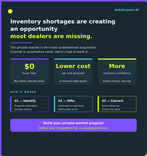
The private market — individual consumers who own vehicles and are open to selling them — has never been more valuable. And it remains the most underworked acquisition channel in the industry.
Why the Private Market Is Harder to Reach Than It Should Be
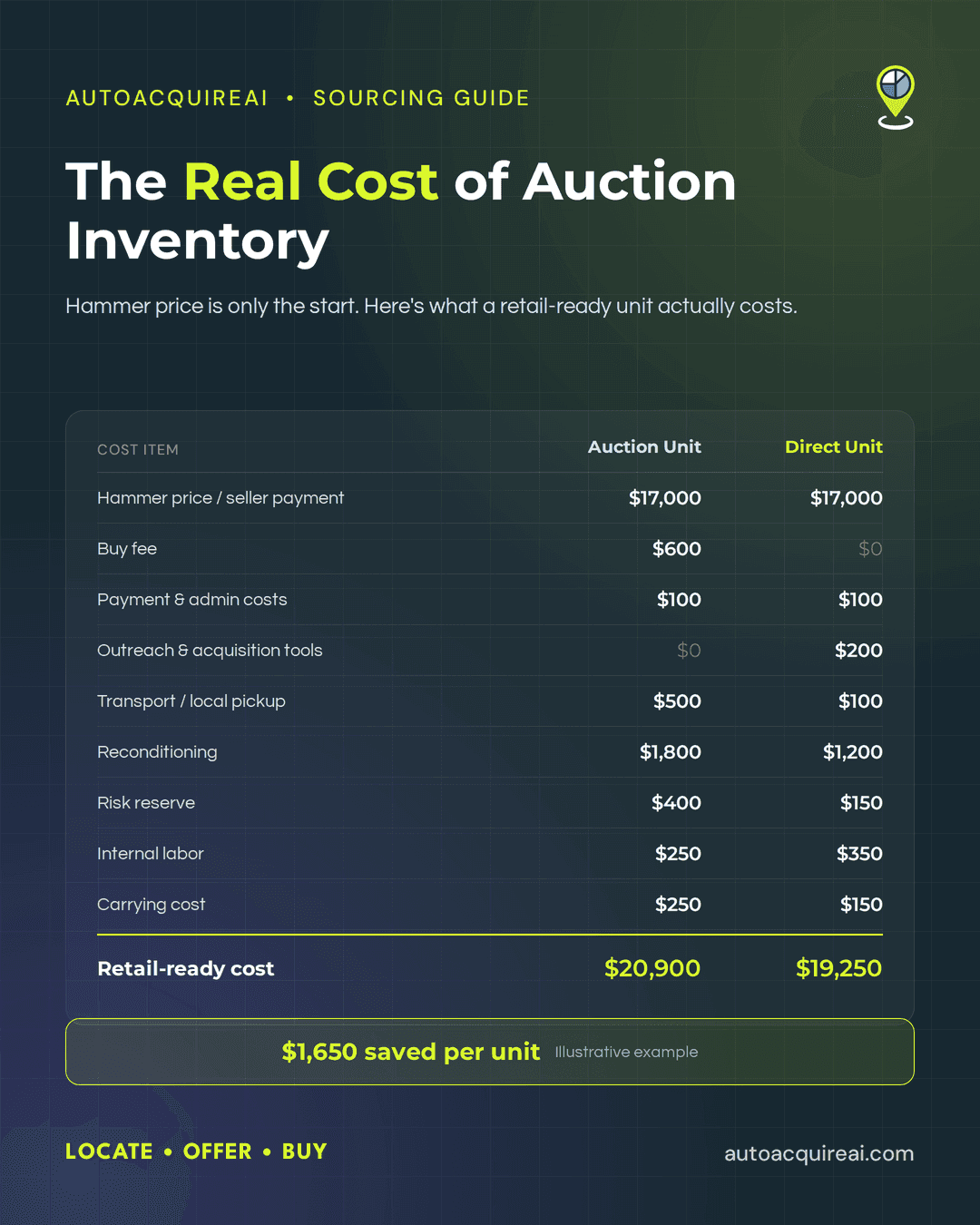
Most dealers understand that buying directly from consumers is better than buying from auction. The economics are not complicated. No buyer fees. No transport costs. Known vehicle history in many cases. A seller who is motivated and present.
The problem is activation. Reaching private sellers at scale, identifying which ones own vehicles that match your inventory needs, making a credible offer quickly, and converting that conversation into a transaction — that process has historically required either a large staff, a significant marketing budget, or both.
For many dealers, the math never penciled out. So they defaulted back to auction.
What has changed is the technology available to solve that problem. The barrier that kept most dealers out of the private market at scale has been removed. And most of their competitors have not noticed yet.
The Window Is Open. It Will Not Stay Open.
There is a window right now where dealers who invest in private-market acquisition infrastructure can capture significant market share before that capability becomes standard across the industry.
Every major shift in automotive retail has followed the same pattern. A new channel or capability emerges. Early adopters build a structural advantage. The rest of the market catches up. By the time it is standard practice, the margin of advantage has narrowed.
Private-market acquisition at scale is in the early-adopter phase. The dealers building that muscle right now are the ones who will have a lower cost basis, a more reliable pipeline, and a stronger inventory position when their competitors are still catching up.
What a Private Market Acquisition Program Actually Looks Like
A functioning private-market acquisition program is not a marketing campaign. It is an operational system.
It starts with data. Understanding which vehicles are available in your market, which owners are most likely to be open to selling, and which of those vehicles align with your current inventory needs and turn targets. Without this layer, outreach is scattershot and conversion rates are low.
It continues with speed. Private sellers move quickly. They are often talking to multiple buyers. A dealer who cannot produce a real, defensible offer within minutes of contact will lose that unit to someone who can. The ability to price fast and price accurately is not optional in this market.
It closes with follow-up. Most private sellers do not transact on the first contact. A structured, persistent communication sequence that keeps the dealer's offer in front of the seller — without requiring manual effort from the team — is what separates dealers who convert at scale from dealers who convert occasionally.
How AutoAcquire AI Builds That System for You
AutoAcquire AI was designed specifically to give dealers a private-market acquisition capability that runs at scale without adding headcount.
The platform connects to your DMS and cross-references your inventory needs against live market data to identify the vehicles worth pursuing. Outreach is targeted, not broadcast. You are not casting a wide net and hoping. You are contacting the right sellers at the right time with a vehicle that actually fits your lot.
When a seller responds, AutoAcquire AI generates a real-time offer grounded in current market conditions and your specific margin targets. Your team does not need to run comps or guess. The number is there, it is defensible, and it is ready to present.
For sellers who need more time, the platform manages a follow-up sequence automatically. The offer stays visible. The relationship stays warm. Your team stays focused on closing, not chasing.
What Dealers Are Seeing
Dealers operating a structured private-market acquisition program through AutoAcquire AI consistently report the same outcomes.
- A meaningful reduction in auction dependency and the fees that come with it
- Lower average acquisition cost per unit compared to wholesale sourcing
- Higher inventory confidence because vehicle history is known before purchase
- A more predictable pipeline that is less exposed to auction price volatility
- A competitive advantage that compounds over time as the system improves with more data
These are not outlier results. They are what happens when a dealer stops competing for the same auction inventory as everyone else and starts building a channel their competitors are not working.
The Strategic Question
Inventory shortages are not going away. The structural factors that created tight supply — production disruptions, shifting consumer behavior, rising vehicle prices — have not resolved. They have reset expectations.
The dealers who will win in this environment are not the ones who bid harder at auction. They are the ones who made themselves less dependent on auction in the first place.
The private market is the answer to that problem. The technology to access it at scale exists today. The question is whether your dealership will build that capability before your competitors do.
About AutoAcquire AI
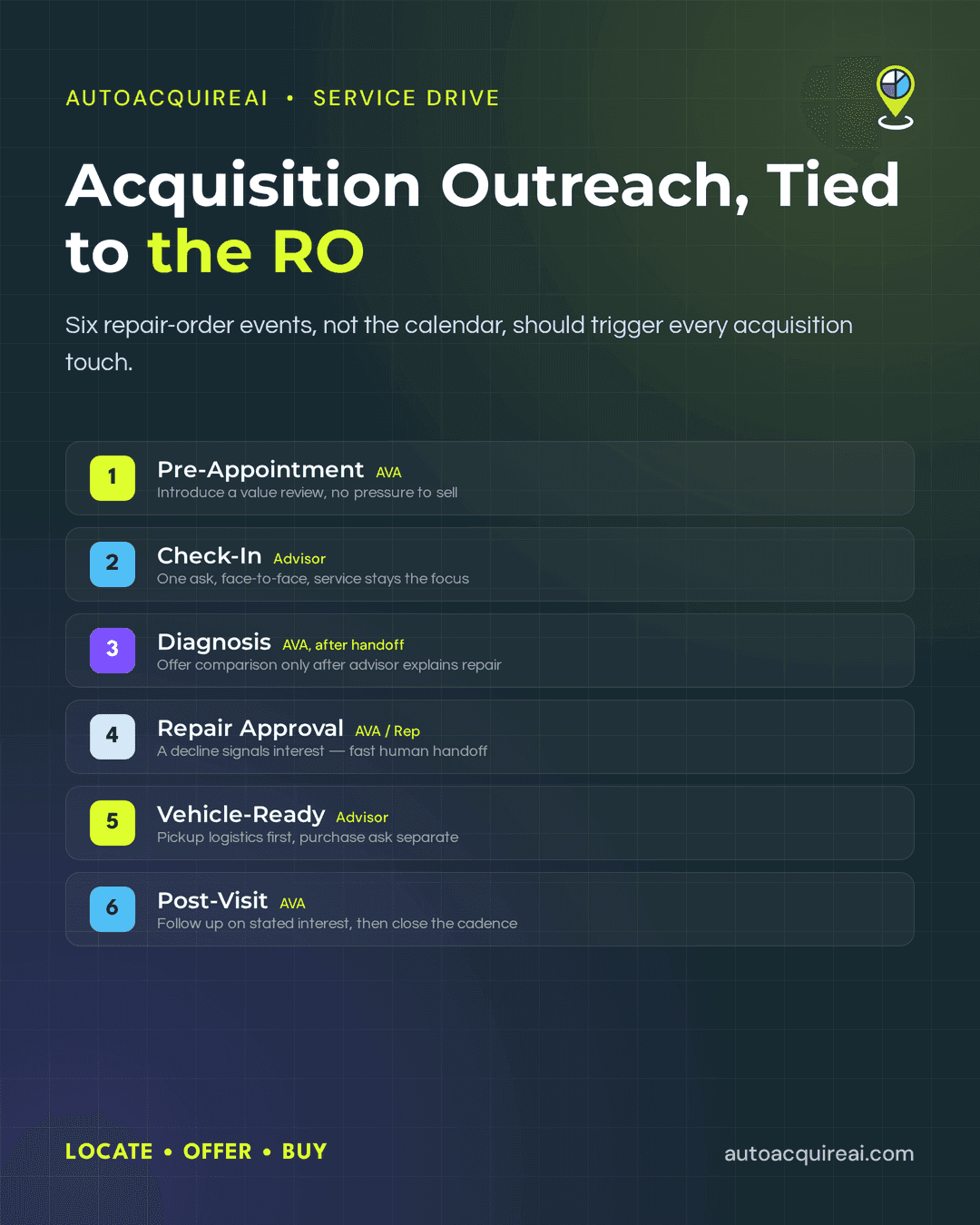
AutoAcquire AI provides dealerships with a fully integrated vehicle acquisition platform that connects data, pricing, communication, and workflow into a single operating system. From the service drive to the private market, AutoAcquire AI helps dealers build acquisition programs that are consistent, scalable, and profitable.
To learn how AutoAcquire AI can help your dealership build a private-market acquisition program, schedule a demo at autoacquireai.com.
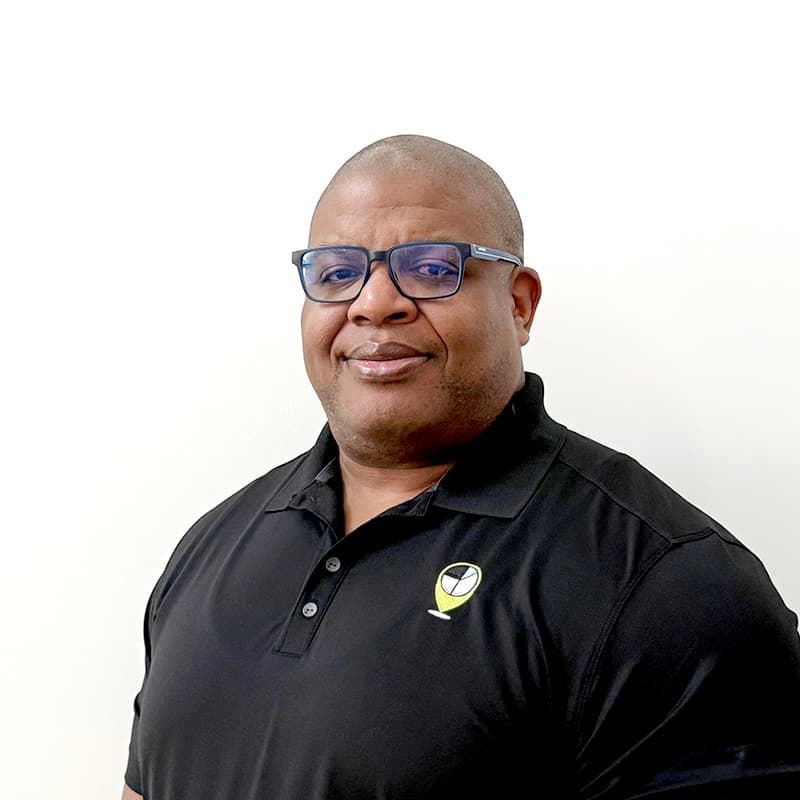
Frank Knox serves as Chief Operating Officer of AutoAcquire AI. He brings decades of experience in vehicle acquisition, wholesale markets, and dealership operations.